 Languages
Languages
Languages
The MOLLT Montessori Sensory
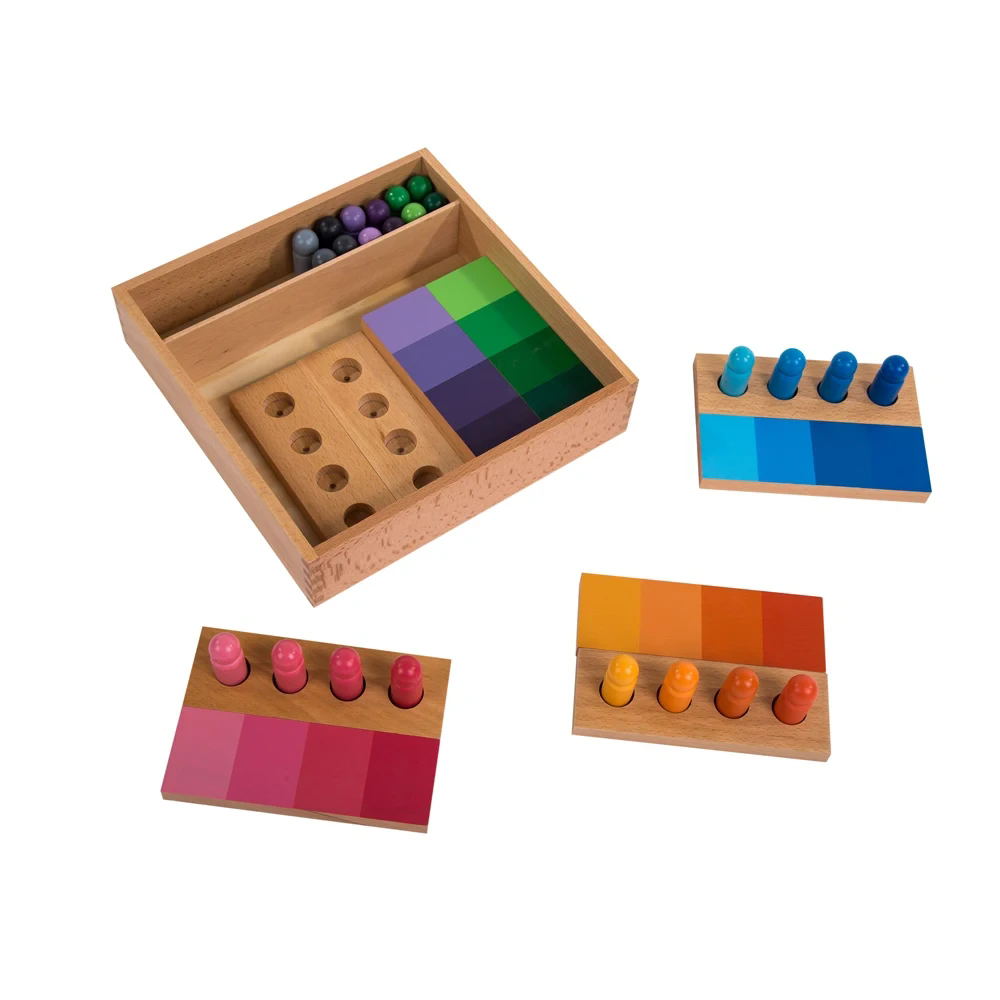
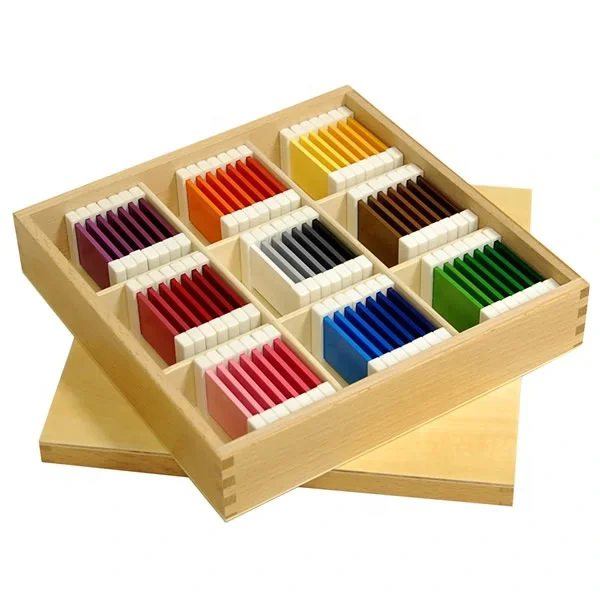
The MOLLT Montessori Sensory series is a foundational collection designed to refine a child's senses and cognitive development. In Montessori education, the sensory materials are the key to building intelligence, as they enable children to classify, order, and make sense of their world. Our products provide the structured, hands-on experiences essential for nurturing observation, discrimination, and logical thinkin
Welcome to **Moltt**, your trusted source for authentic **sensorial montessori** materials. We provide carefully crafted tools essential for the sensitive period of **sensorial learning**—a time when a child’s mind is uniquely receptive to environmental stimuli. Discover why our **montessori sensorial materials** are the foundation for future cognitive development.
The first question many parents and educators ask is, **what is sensorial**? In the Montessori method, Sensorial education is a scientifically designed curriculum that helps the child refine their senses (sight, touch, smell, taste, hearing) by isolating and quantifying their qualities.
**Sensorial learning** is not merely play; it is the process of making abstract concepts (like size, weight, and color) concrete and measurable. Dr. Montessori believed that through repeated, hands-on interaction with specially designed **sensorial materials**, the child’s intelligence is structured. These materials serve as the "keys to the world," enabling the child to classify and organize the vast sensory input they receive daily.
The materials are always designed to:
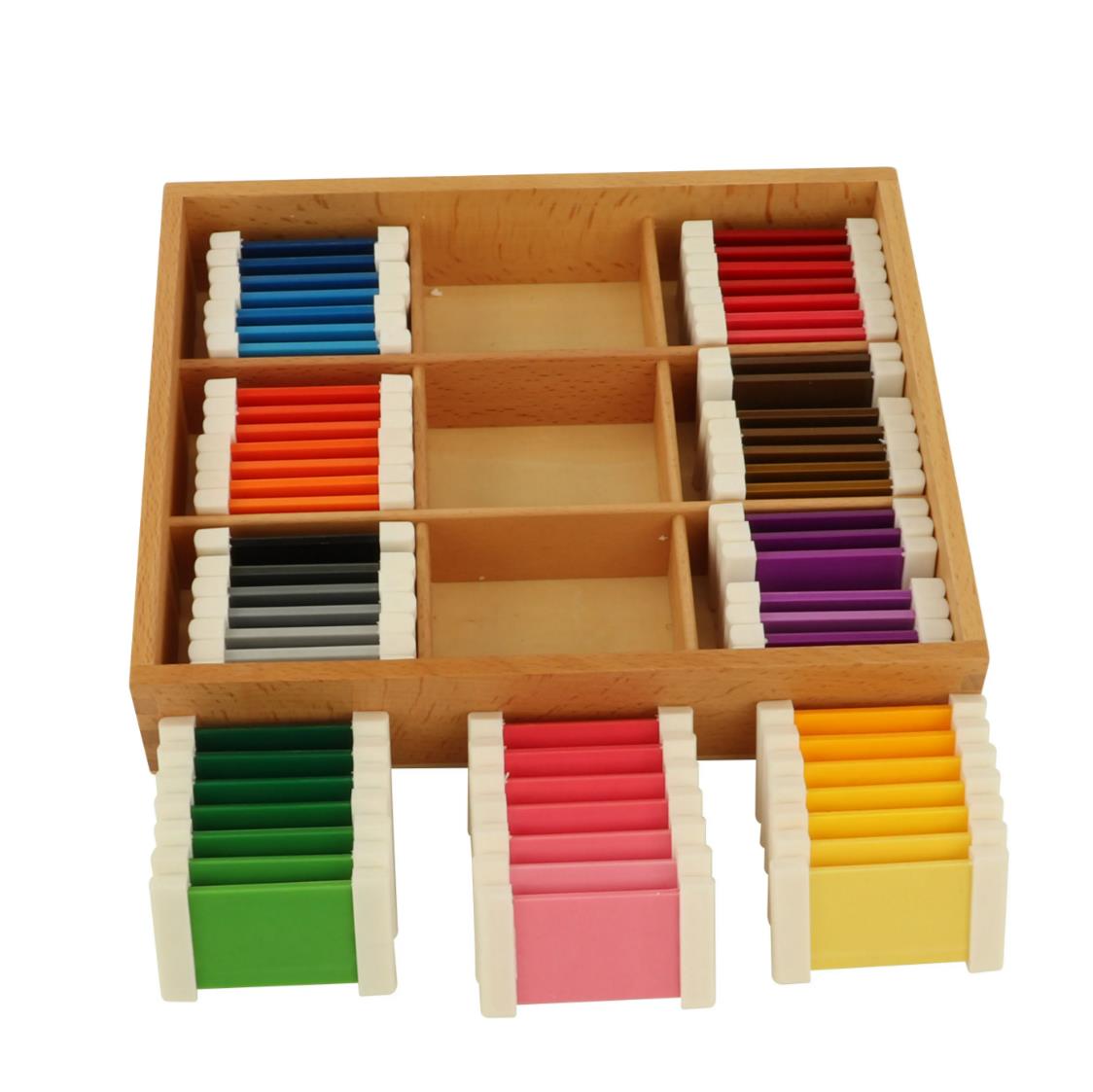
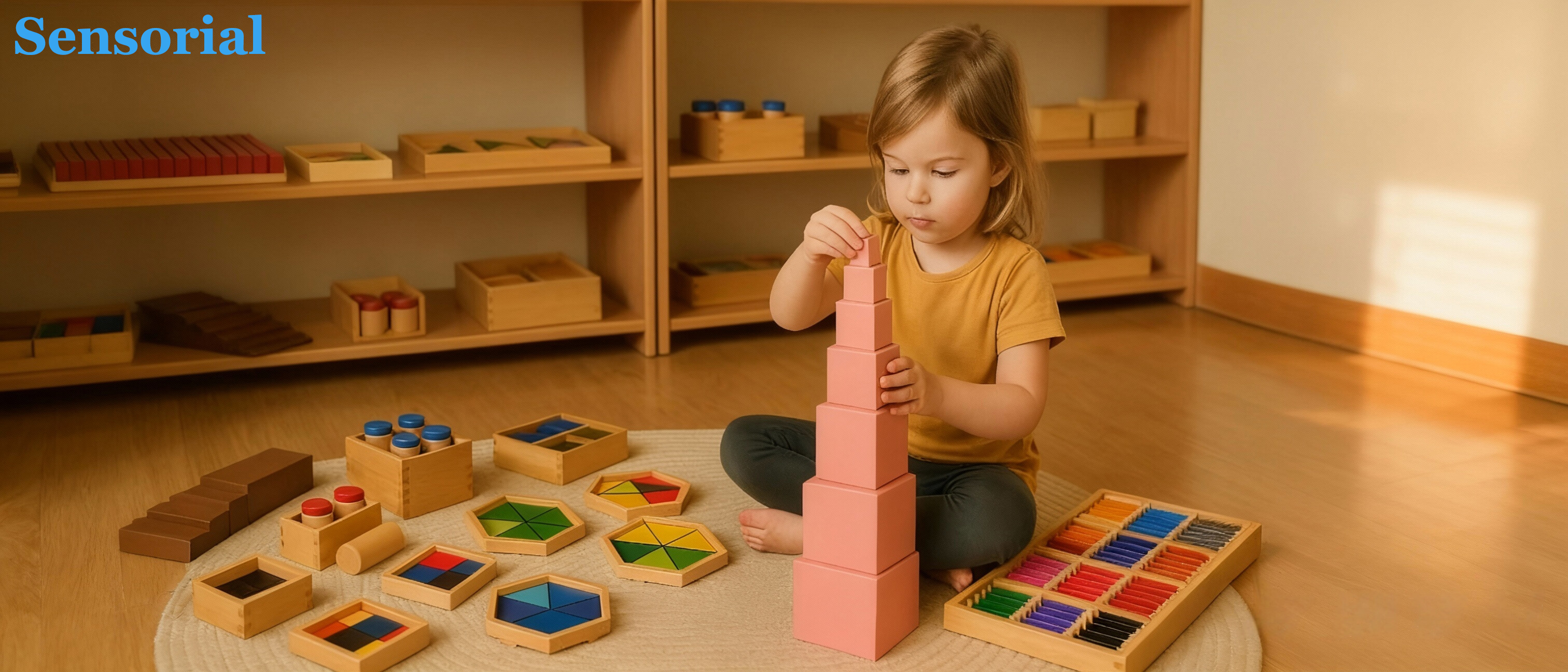
*Image 1: Moltt’s collection of foundational sensorial montessori materials.*
Long-tail focus: **benefits of sensorial learning for preschoolers**, **Montessori approach to sense refinement**, **sensory discrimination activities**.
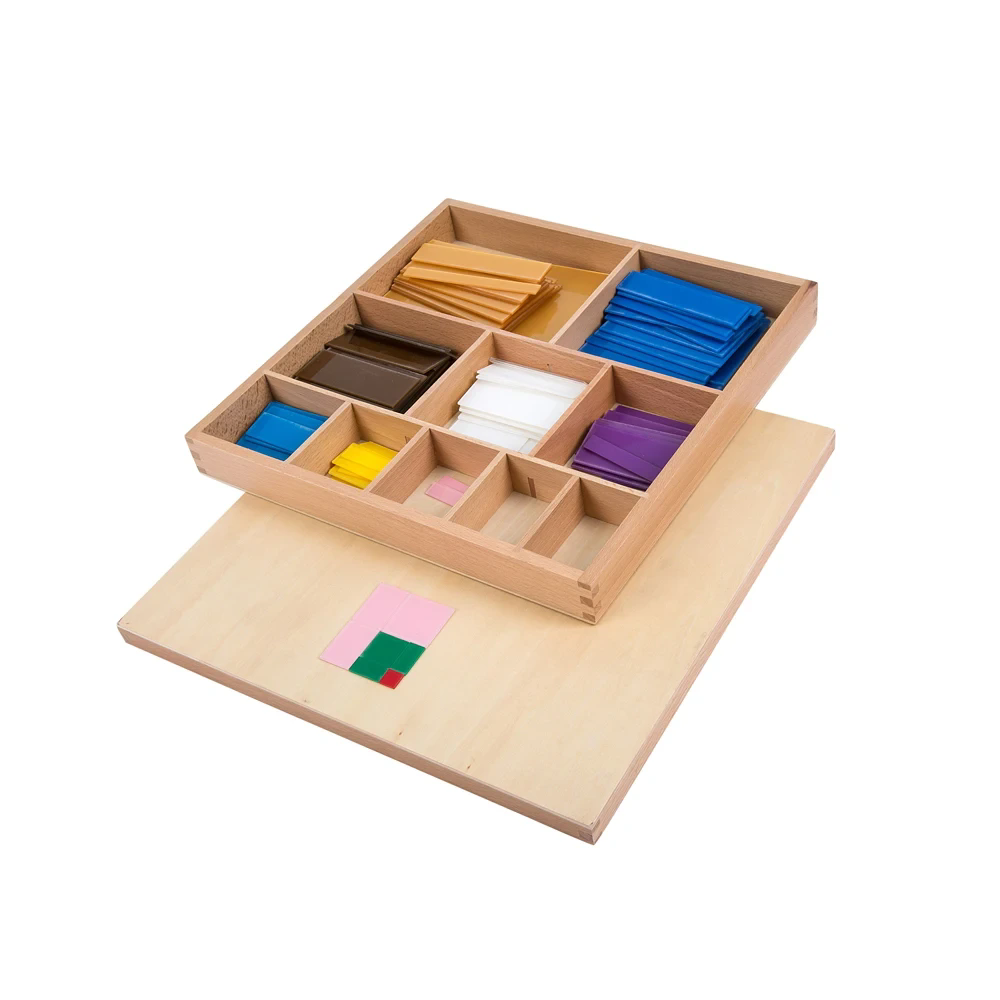
Our collection of **montessori sensorial materials** is divided into categories that refine specific senses. The following materials are crucial for refining the visual and dimensional senses, laying the groundwork for mathematical understanding:
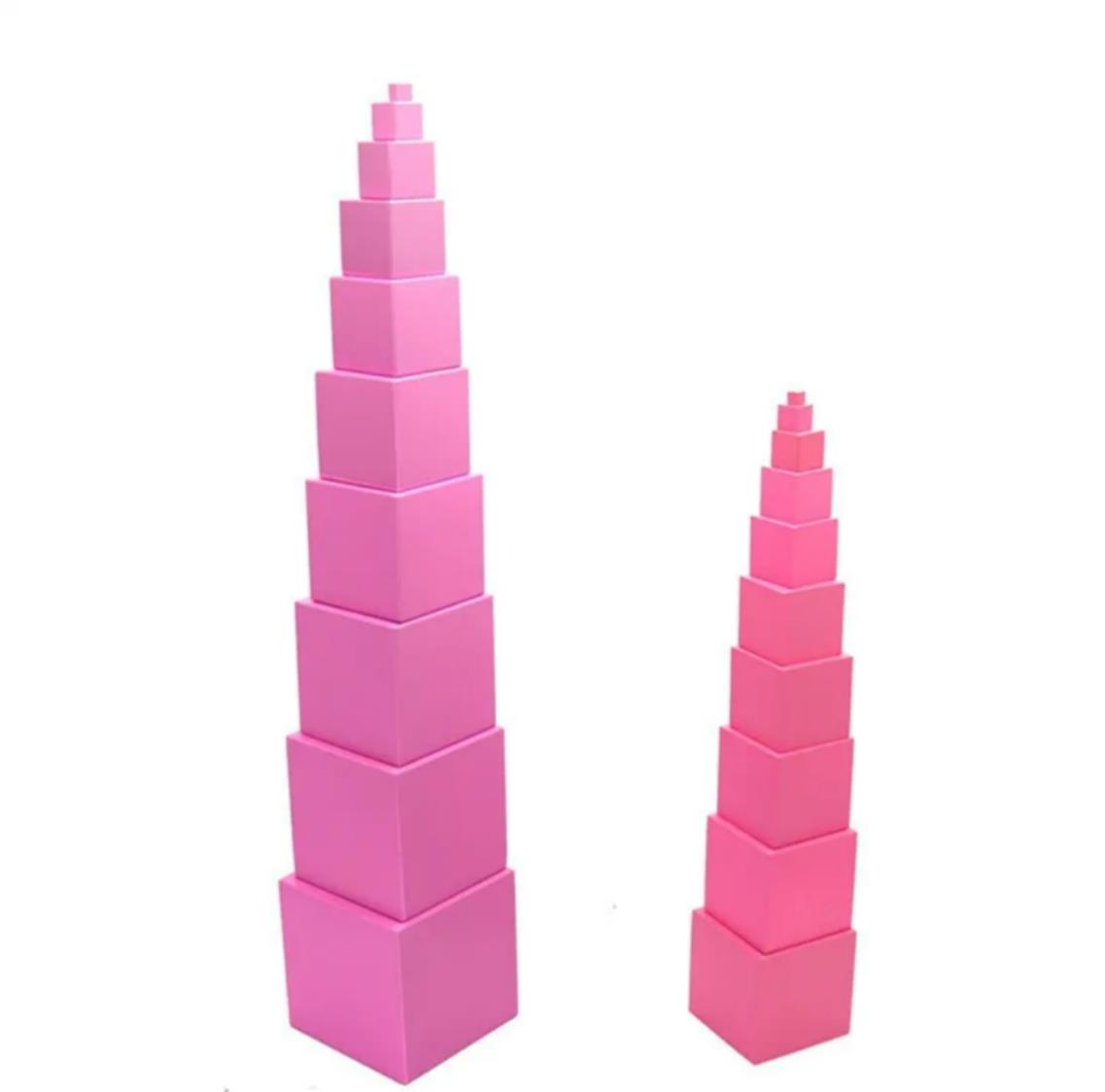
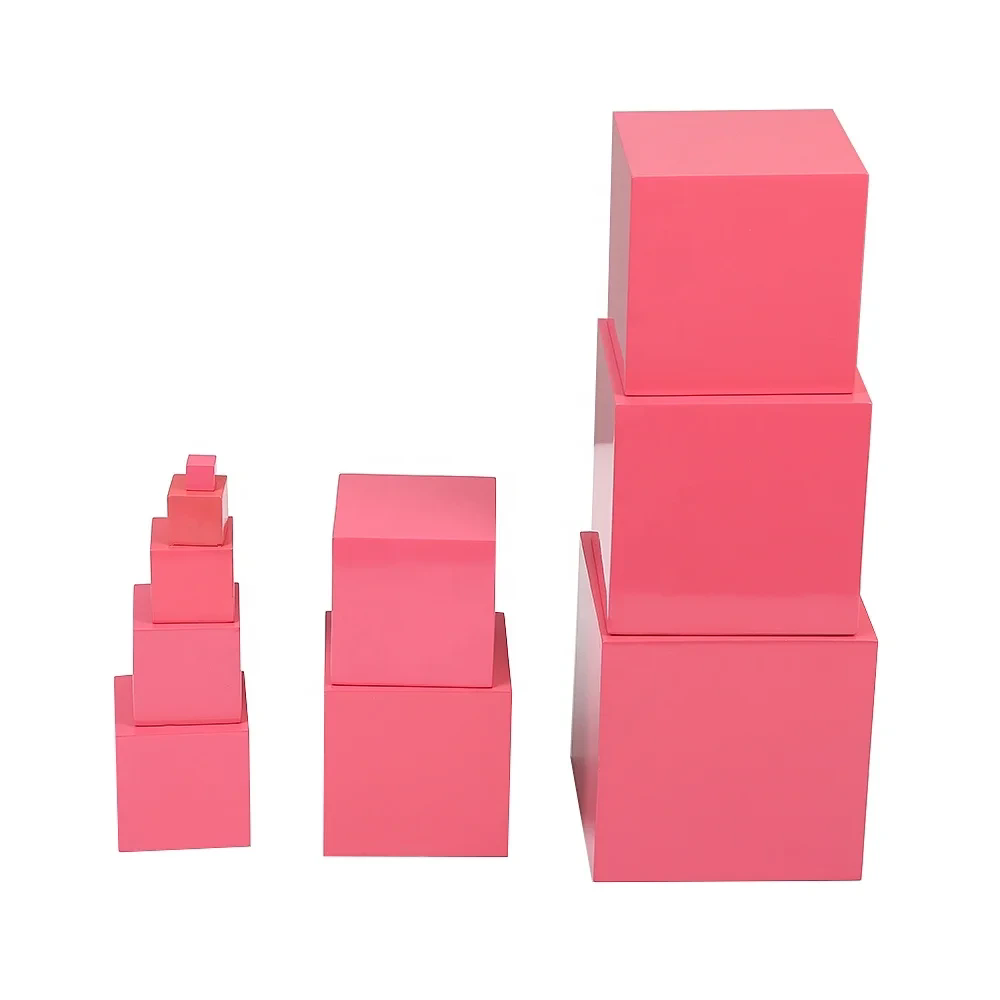
The **Pink Tower** consists of ten pink cubes, varying geometrically in size from $1 cm^3$ to $10 cm^3$. This material helps the child visually discriminate dimensions, developing concepts of **large and small**. It is a perfect example of a material where the control of error is immediate—if the cubes are stacked incorrectly, the tower will be unstable or uneven.
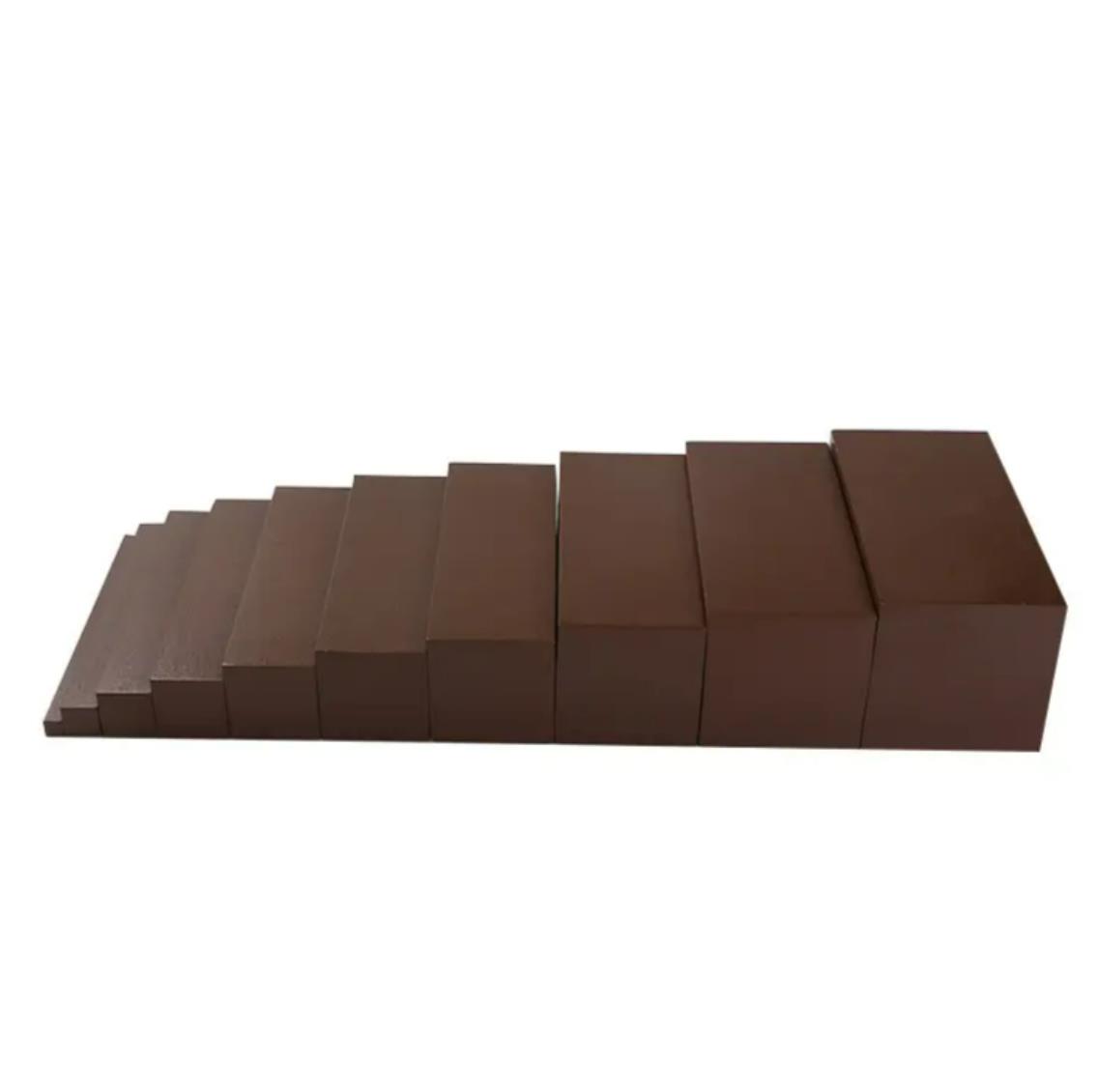
The **Brown Stair** (or Broad Stair) consists of ten prisms of the same length but varying in width or thickness. This isolates the concept of **thick and thin**, preparing the child for later geometry and algebra by introducing concepts of base and height.
The **Red Rods** are ten rods identical in width and height, but varying only in length. This material is used to teach length and sequencing, directly leading to the decimal system and the study of the number line.
*Image 2: Dimensional sensorial materials from Moltt: Brown Stair and Red Rods.*
Long-tail focus: **pink tower sequence activities**, **how to use brown stair montessori**, **red rods lesson for preschoolers**.
The **sensorial learning** curriculum extends far beyond sight, incorporating the often-overlooked tactile, auditory, and thermal senses. **Moltt** provides comprehensive **sensorial materials** for these critical areas:
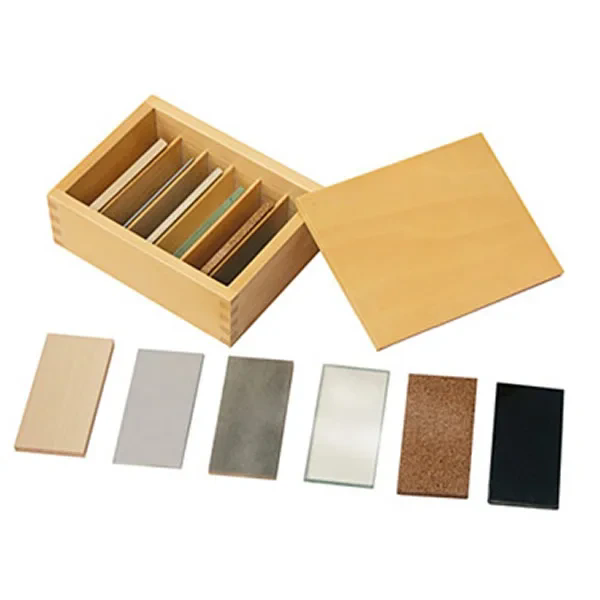
These materials refine the tactile sense through the fingertips, developing sensitivity to texture and weight. Examples include the **Fabric Box**, **Touch Tablets** (smooth, rough, silk, velvet), and **Baric Tablets** (for weight discrimination). **Tactile learning materials** are vital for preparing the child's hands for writing and fine motor tasks.
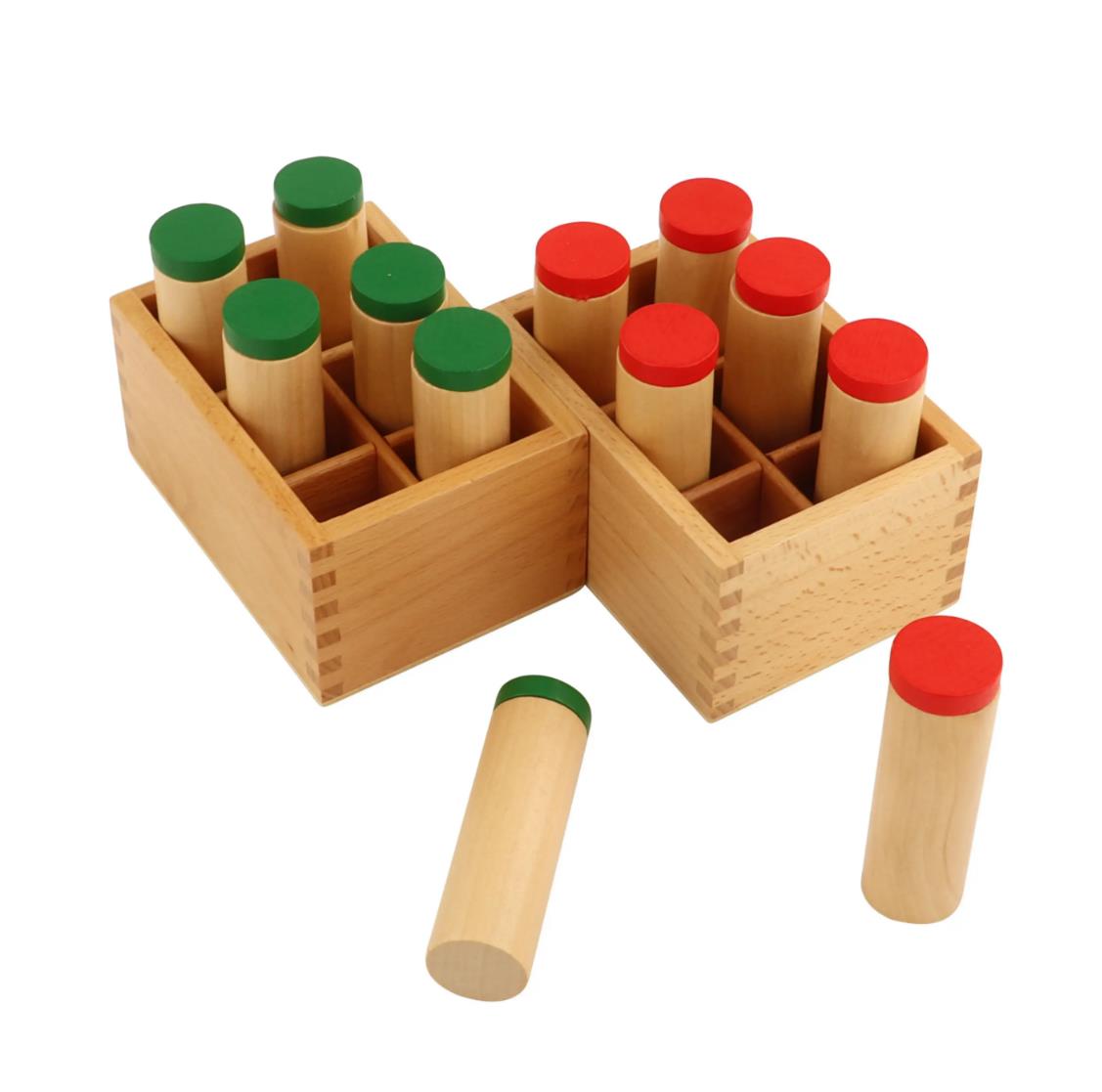
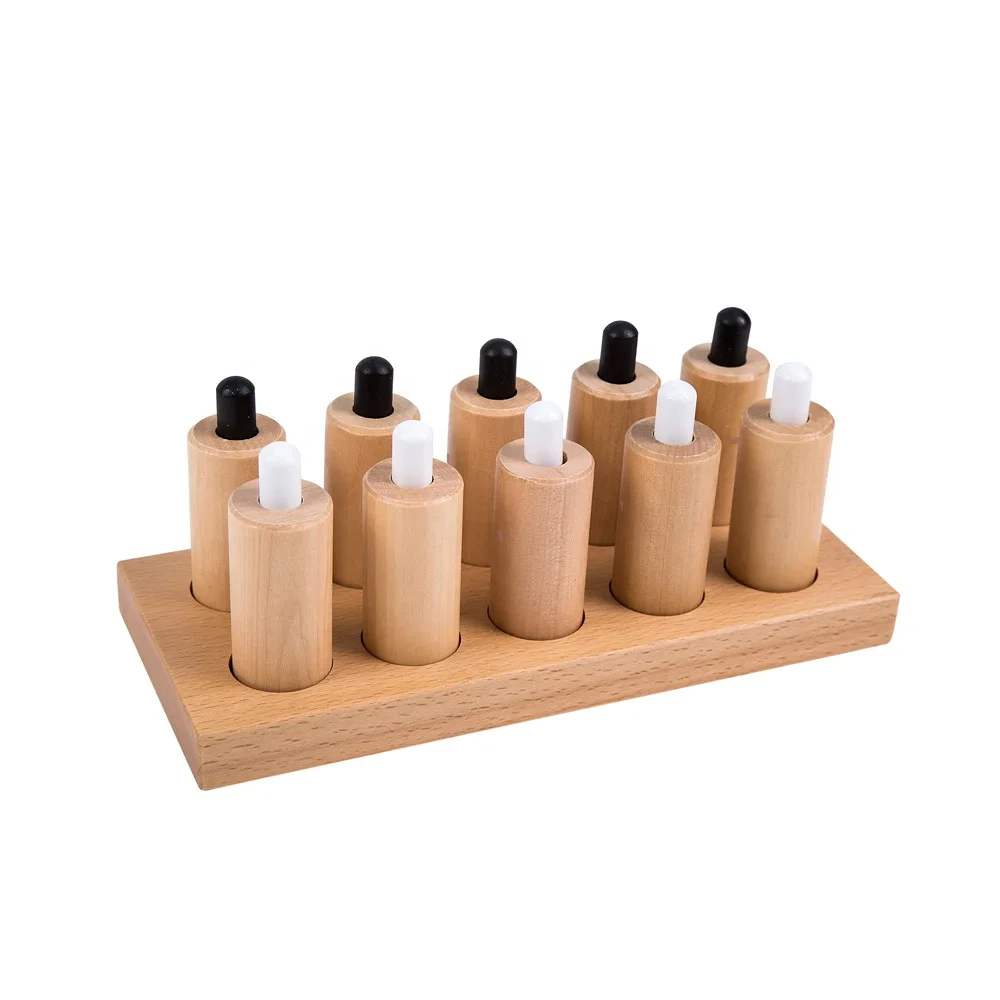
The **Sound Cylinders** are a set of boxes or cylinders containing different materials that, when shaken, produce varying levels of sound. The child learns to match and grade sounds from softest to loudest, refining the auditory sense and preparing the ear for music, language, and phonetics.
The **Thermic Bottles** or tablets teach the discrimination of temperature (hot, cold), while the **Smelling Jars** and **Tasting Bottles** introduce the matching and grading of odors and tastes. These experiences awaken the "internal senses" that connect the child directly to their environment.


 mike@kidbu.com
 0086-57981589552
 No.97 Road of Fuxing, Bailong Street, Yunhe, Lishui City, Zhejiang, China.
Copyright © 2009-2025 MOLTT All Right Reserved. Designed & SEO by followala.cn Sitemap | XML
Sennl.com Montessori Tents: Sport Tent | Role Playing Tent | Triangle Tent | House Tent | Paintable Tent | Baby Pet Interaction Tent