 Languages
Languages
Languages
KDU-0182
Solid Wood
30X16X6 cm
0.68KG
+3
Education
White Box
MOLTT Gift 9: The Point – Exploring the Foundation of Form and Position
Product Overview
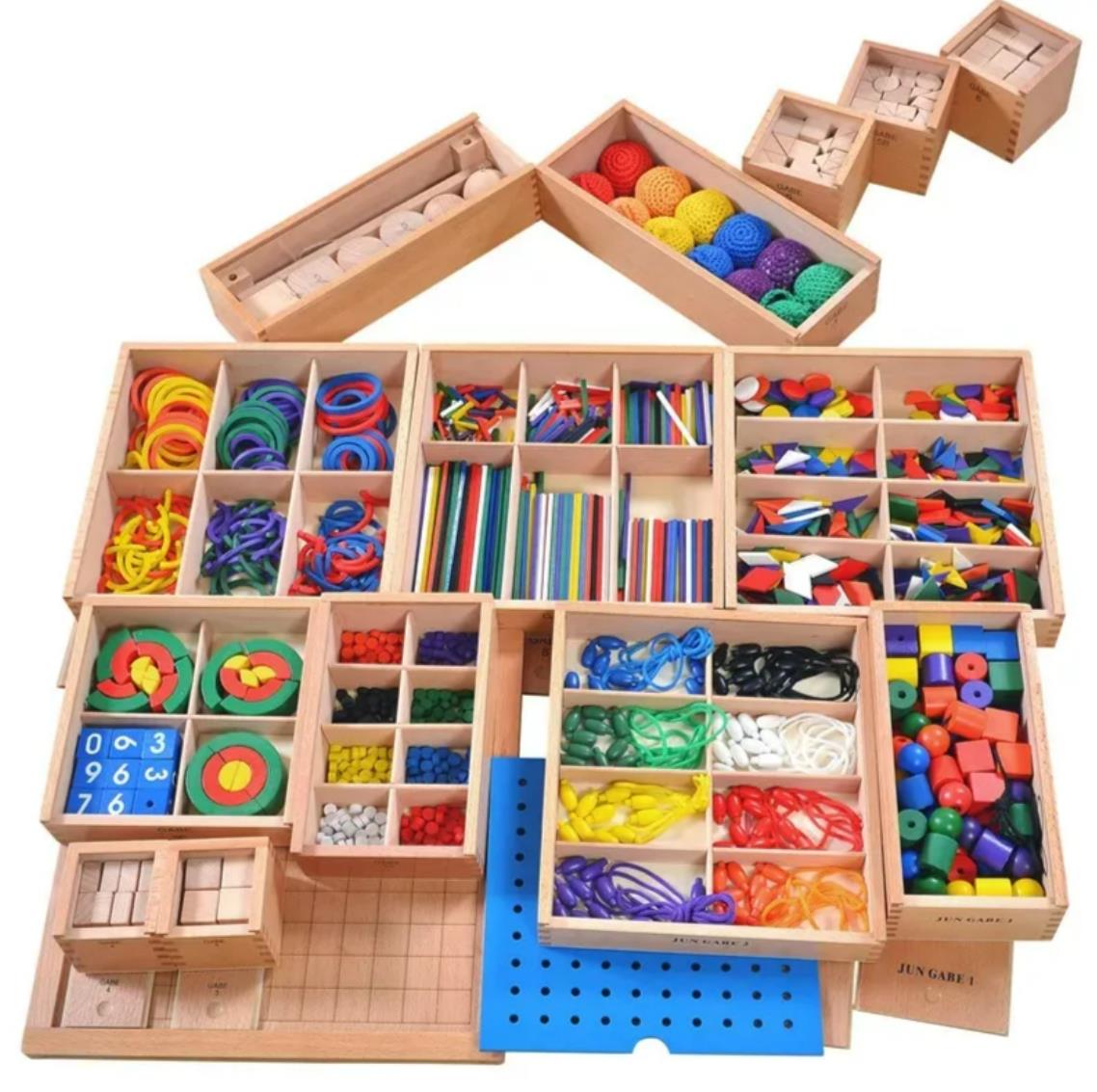
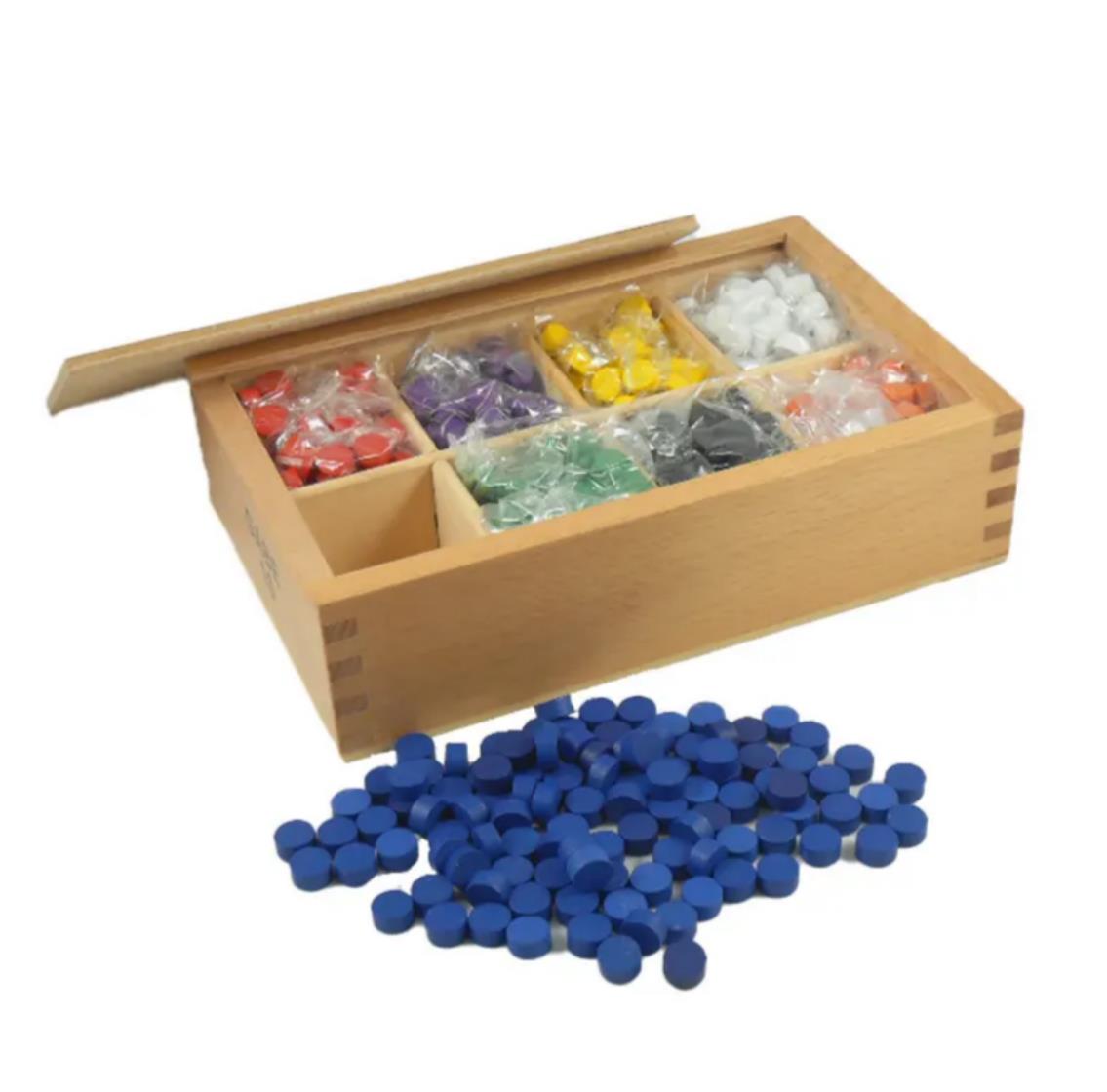
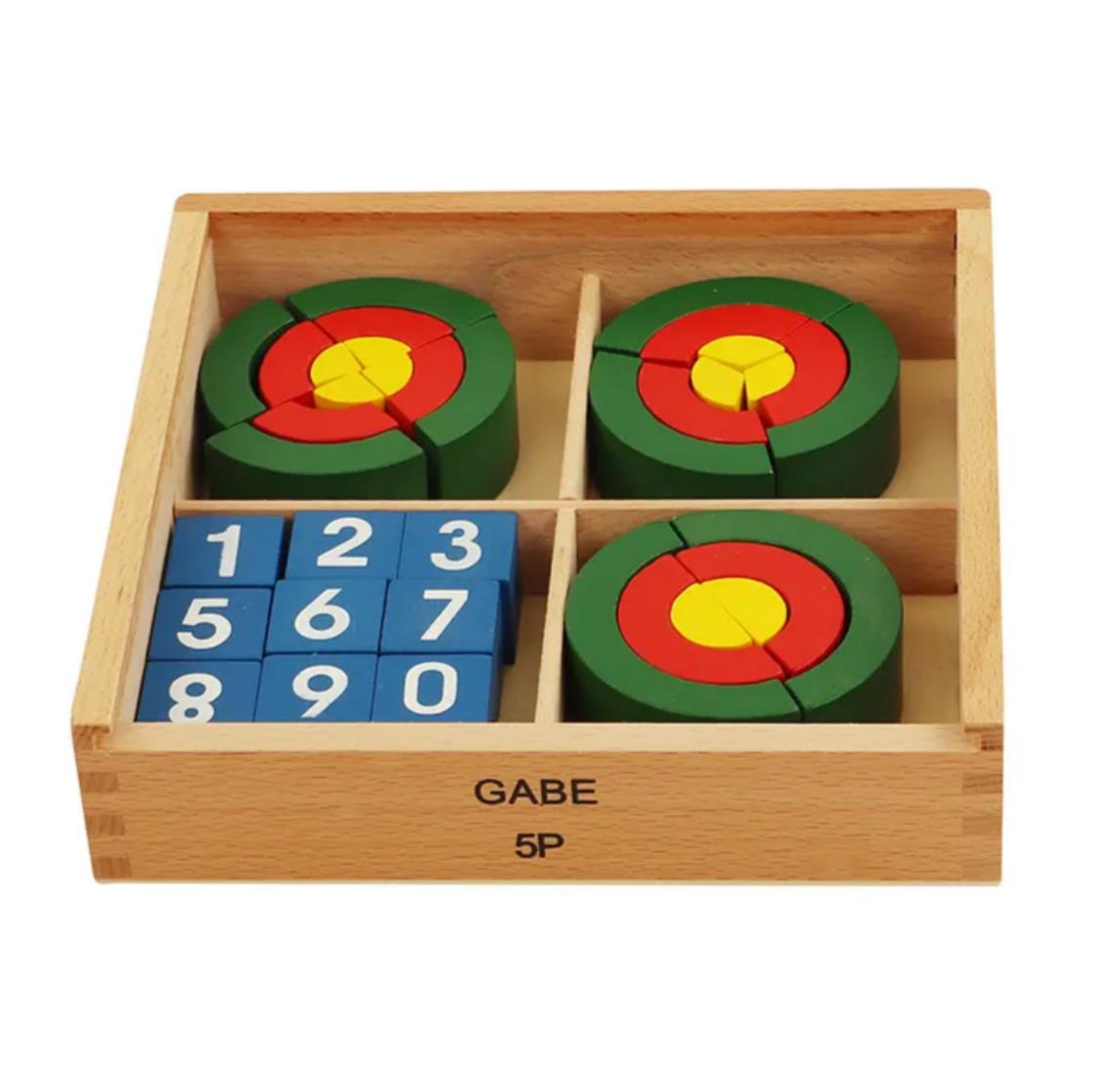
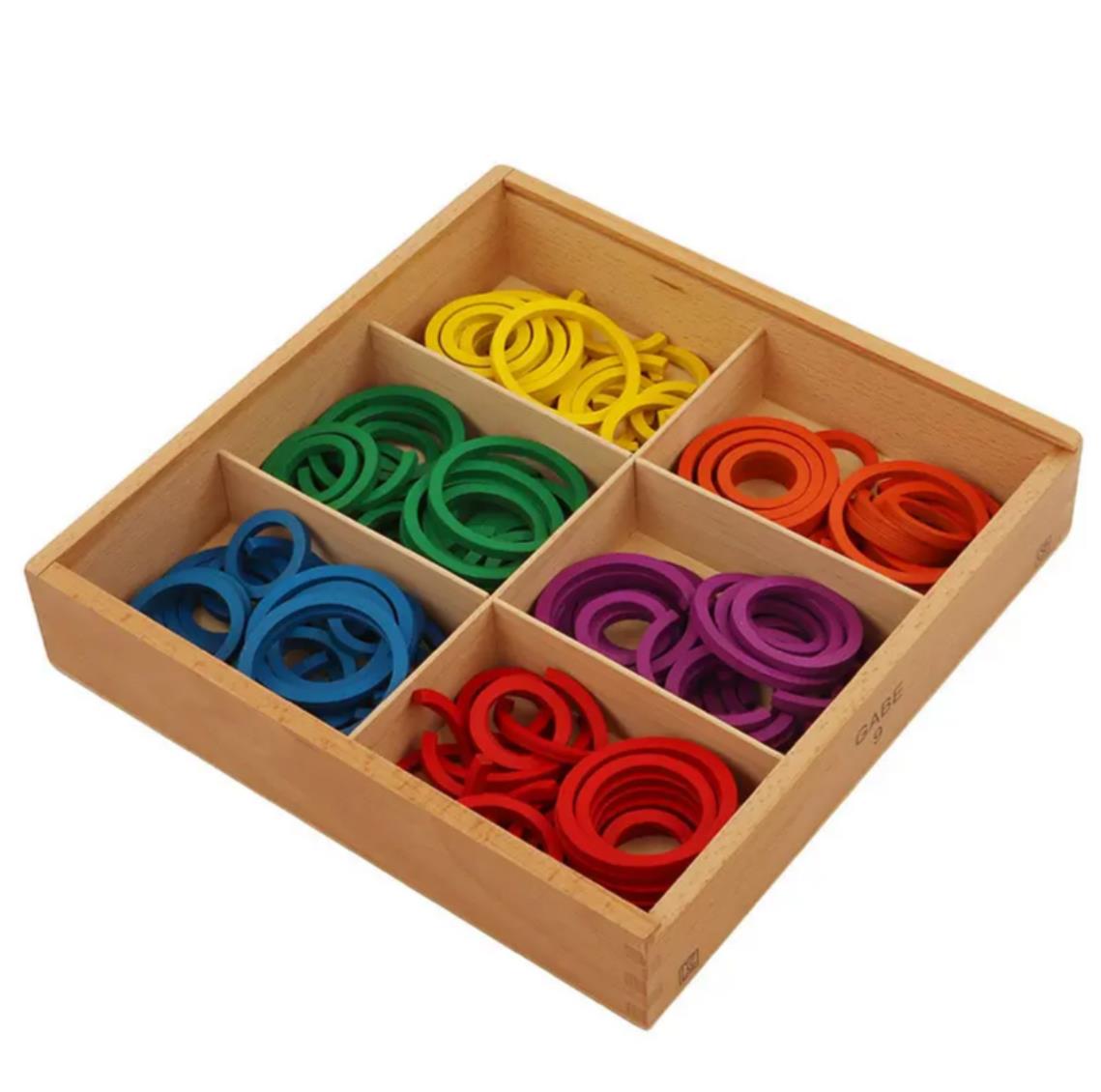
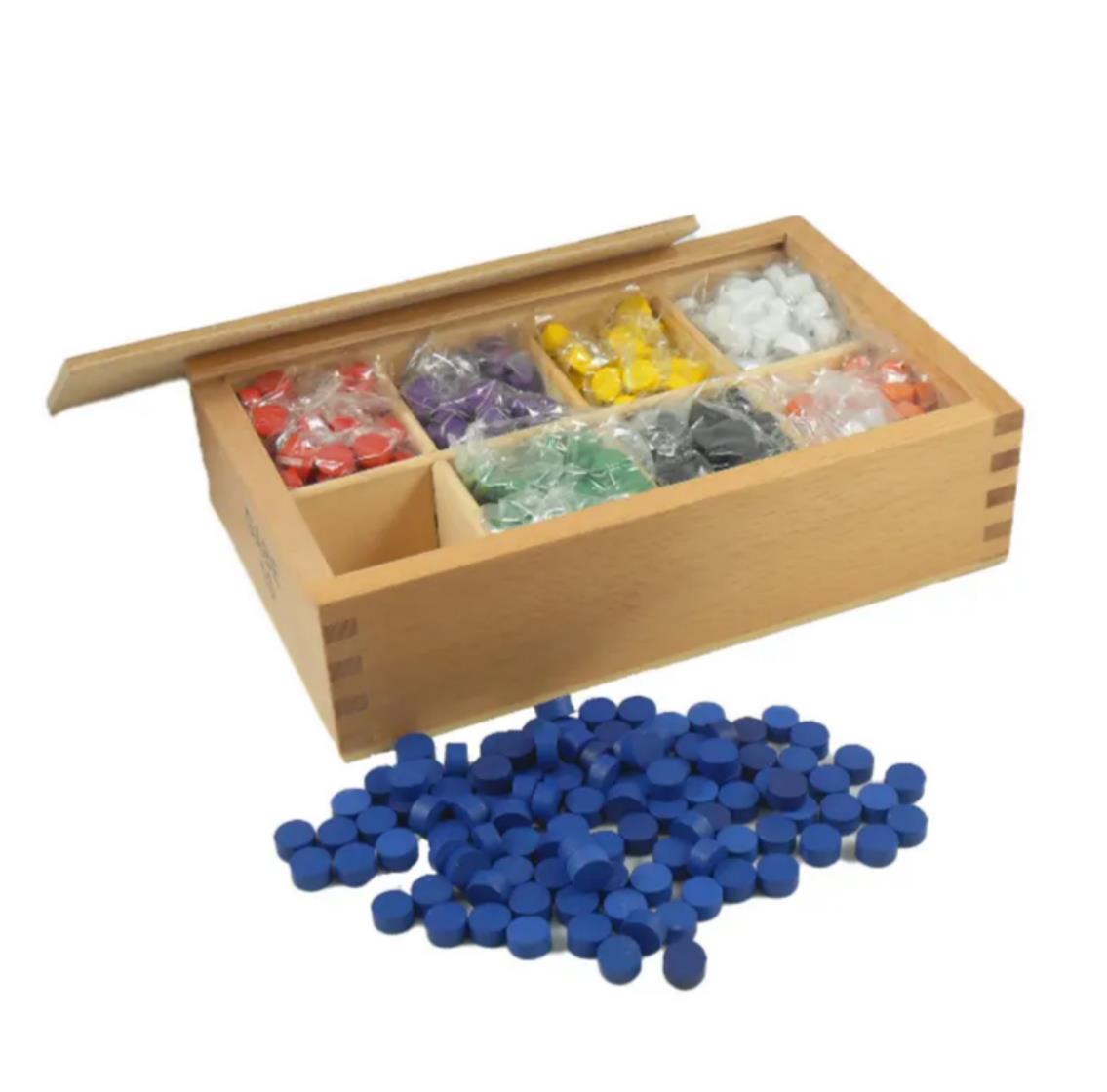
MOLTT Gift 9: The Point represents a profound stage in the Froebelian journey of discovery. As the ninth in the sequential series of Gifts, this material introduces children to the most fundamental element of geometry: the point. Moving beyond the solid forms, flat surfaces, and lines of previous Gifts, children now engage with small, colorful objects that symbolize position itself—a concept with no dimension, only location. Through guided yet open-ended play, children internalize this abstract idea, discovering that all complex forms are ultimately constructed from simple, essential elements.
Philosophical Foundation & Progression
This Gift marks the culmination of a logical deconstruction from the whole to the elemental:
From Whole to Element: Following the three-dimensional solids (Gifts 1-6), flat planes (Gift 7), and lines (Gift 8), Gift 9 presents the point. This progression guides the child’s mind from concrete wholes to abstract components.
Discovery Over Instruction: Froebel believed children cannot be taught abstraction but must discover it. Manipulating these “points” allows them to form sensory impressions of position and connection, building an intuitive, lasting understanding that serves as the bedrock for mathematics, art, and spatial reasoning.
Educational Framework: The Three Forms of Play
Consistent with Froebel’s methodology, play with Gift 9 is organized into three interconnected categories, to be introduced developmentally:
Forms of Life (Starting Point):
Objective: To connect play to the child’s familiar world.
Activity: Using a modest number of points (e.g., 12 of one color initially), the child represents objects from their environment—a flower, a person, a house—through arrangements of points. This grounds the abstract in the concrete.
Guidance: The caregiver asks questions like, “Can you see other ‘points’ around us?” (e.g., clock numbers, buttons), lifting the child’s observation from the material to the wider world.
Forms of Knowledge (Mathematical & Geometric Discovery):
Objective: To explore mathematical relationships and properties.
Activity: Points are ideal for sorting, patterning, counting, and basic arithmetic. Using the included grid (optional), children explore geometry: What is a point? Does it have shape? By placing points at grid intersections or within squares, they create lines (horizontal, diagonal) and shapes (triangles, squares), reasoning about connection and position. These creations can then be woven into stories or songs.
Forms of Beauty (Abstract Design & Symmetry):
Objective: To appreciate pattern, symmetry, and aesthetic arrangement.
Activity: Children create freestyle or symmetrical designs on the grid. This play is closely linked to drawing (an “Occupation”), helping them perceive lines as series of connected points. The focus is on the inherent beauty and structure found in their own compositions.
Guidance for Presentation & Principles
Start Simply & Connect: Introduce the point alongside a solid cube from Gift 2. Have the child identify the “points” (corners) on the cube, bridging known and new concepts.
Moderate, Don’t Scatter: Provide a limited number of pieces at first to encourage focus. Embody Froebel’s principle that “nothing is destroyed, only changed” by encouraging the child to modify creations rather than scattering pieces to start anew.
Follow the Child’s Lead: The sequences and activities are guides, not rigid scripts. The caregiver’s role is to observe, ask questions, and facilitate the child’s own discoveries, making the learning personal and meaningful.
The Bridge to Gift 10 and Beyond
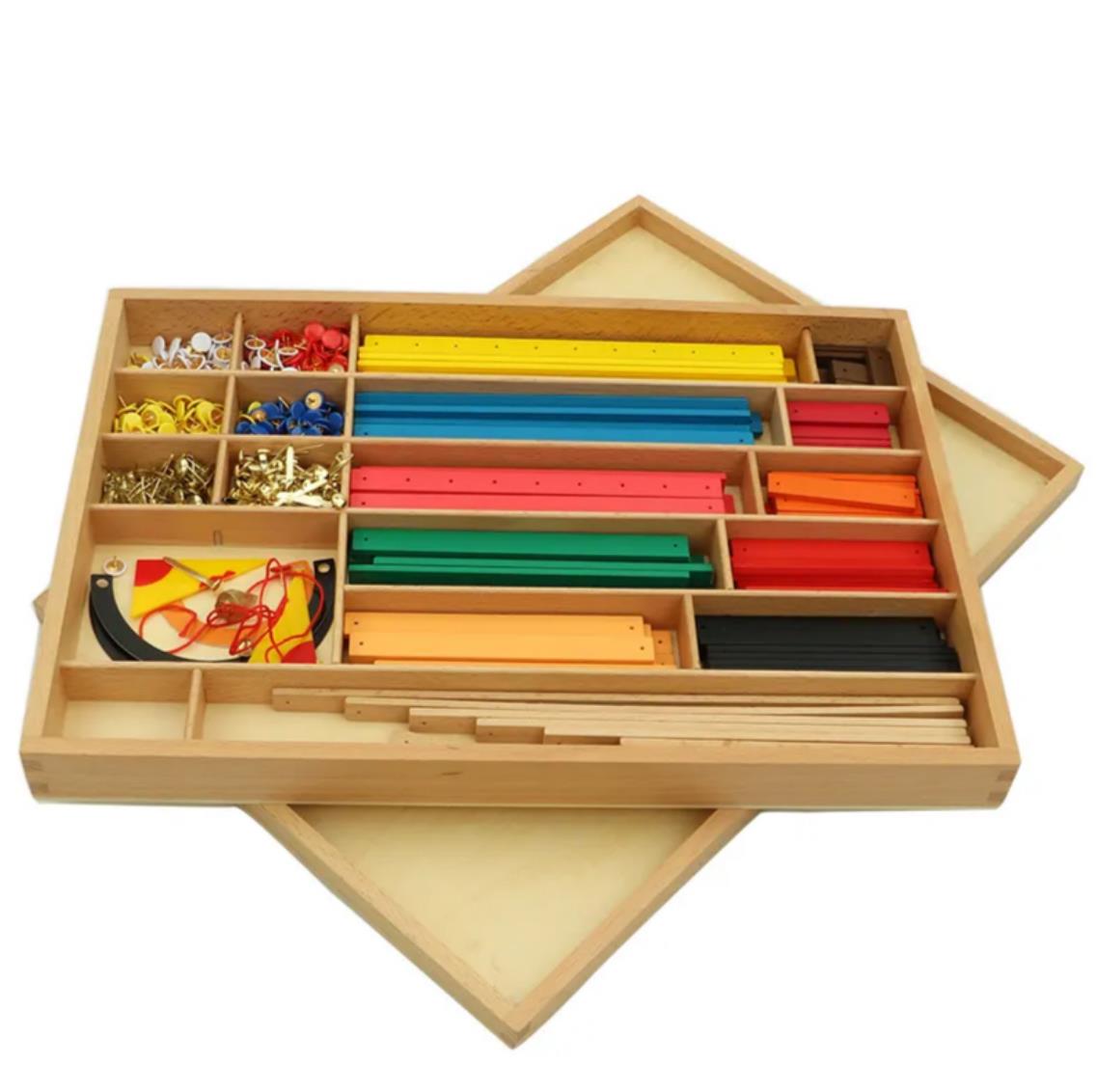
Gift 9 prepares the mind for the final synthesis in Gift 10, where points and lines are combined to create skeletal three-dimensional frameworks. Through this complete cycle—from whole to point and back to complex structure—the child develops a unified, intuitive understanding of the world’s geometric language, seeing the universe in terms of interconnected solids, surfaces, lines, and points.
Ideal For
This advanced Gift is designed for children who have progressed through earlier Gifts in the sequence, typically of preschool and early elementary age. It is an indispensable resource for Froebel-inspired educators, Montessori elementary guides (for geometry), and homeschooling families seeking to cultivate deep, conceptual understanding through purposeful play.


 mike@kidbu.com
 0086-57981589552
 No.97 Road of Fuxing, Bailong Street, Yunhe, Lishui City, Zhejiang, China.
Copyright © 2009-2025 MOLTT All Right Reserved. Designed & SEO by followala.cn Sitemap | XML
Sennl.com Montessori Tents: Sport Tent | Role Playing Tent | Triangle Tent | House Tent | Paintable Tent | Baby Pet Interaction Tent